
Scrying the Future: 4 Gaming Industry Predictions for 2027 and Beyond
by Chron
Perhaps predictably itself, the electronics affordability issue and rising development costs relate to most of these.
1. Next-Gen Moves Horizontally...and Upwards, at a Cost
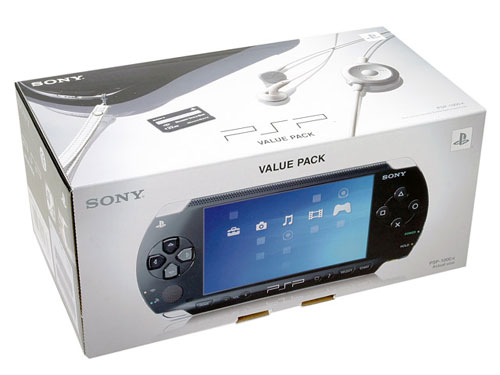
Next-gen consoles are poised to cost upwards of $1,000 USD - or beyond! - thanks to the ongoing electronics affordability crisis handed to us by the AI industry. A new generation of consoles is likely to be revealed in 2027, and affordability will be a sticking point. With that in mind, I’m expecting both Xbox and PlayStation will lean into multi-device strategy, something Xbox CEO Asha Sharma has outright stated recently. For Xbox, I expect this to look like increased support for, and prevalence of, Windows-based handheld gaming consoles. For PlayStation, I expect the rumoured handheld to become a real product. For both manufacturers, I'm expecting the longest cross-gen support period we've seen yet, essenitially resulting in the death of next-gen exclusive games outside of a handful of release titles. For some consumers, that will be exciting - an extended period of life for their current, expensive console.
What consumers may be less excited about is what I expect to be a very “horizontal” move in overall game fidelity. The focus into next gen will be on three things: speeding up development, reducing development costs, and making sure as many consumers as possible have access to your game so you can recoup those costs.
The first of these, speeding up development, already has many industry execs touting the "benefits" of AI workflows in game development.
The second, reducing development costs, will show up as smaller-budget titles with tightly controlled scope and team sizes. We started to see this in 2026 with games like The Blood of Dawnwalker and Control Resonant, titles that came in well below average AAA development costs despite offering a AAA experience.
The third, ensuring as many consumers as possible have access to the game, means games will continue to release simultaneously across as many platforms as possible, including lower-spec devices. Expect day-and-date Switch 2 releases for big titles like FF7 Revelation, Kingdom Hearts 4, Resident Evil Veronica and Persona 6 to keep being the norm, since hitting performance targets on Switch 2 also means broad playability on PC hardware and potential unreleased handhelds from PlayStation or Xbox's hardware partners.
The prediction: New handheld consoles are announced, and represent the big value proposition for next generation, while the set-top box consoles are presented as prosumer-grade hardware at wallet-draining cost. I also see potential for cheaper set-top boxes matching handheld hardware specs, similar to a Series S from this generation - but at launch, I expect that hardware level to be filled by the existing current-gen consoles that will continue to receive wide game support for the forseeable future.
2. The Industry Finds Nintendo’s Deluxe Strategy
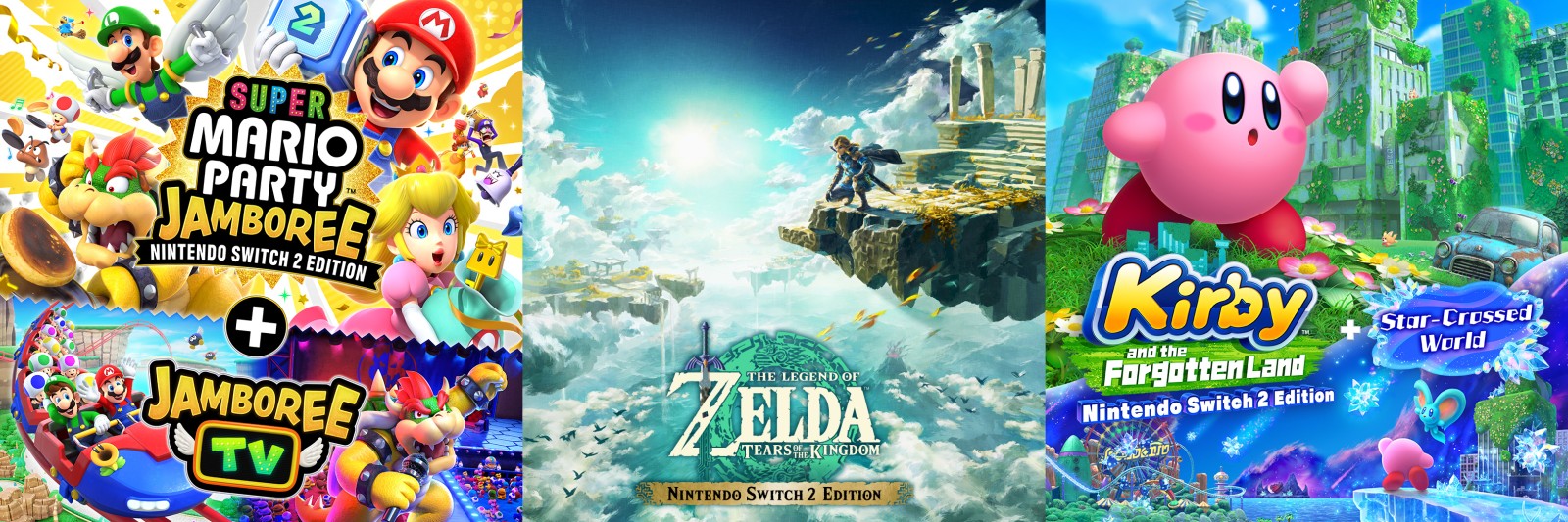
Since the original Switch launched in 2017, Nintendo has found a lot of success re-releasing past titles with improved performance and prettied-up visuals and additional content. In the Switch era, this was seen as a way to fill gaps in the release schedule with underappreciated Wii U games that weren’t otherwise playable on Switch.
With Switch 2, however, the strategy has continued even with backwards compatibility in place. Games like Animal Crossing, Pikmin 4, and the Xenoblade Chronicles series have all received Switch 2 updates with an upgrade cost, available either as an upgrade to an existing Switch 1 copy or as an all-new Switch 2 release. These paid upgrades are never just technical improvements, and always include new content, ranging from small in-game bonuses and quality-of-life changes to full-scale expansions.
In an industry facing drastically longer development timelines, I expect other publishers to follow Nintendo’s lead. That means not just next-gen patches of past games, but new editions with additional content, tweaks, or entirely new gameplay expansions.
The recently rumoured Watch Dogs: Legion re-release is a prime example. It’s a six-year-old entry in an overall successful franchise, one that achieved moderate sales but never quite found its footing with critics or players. For Ubisoft, it's a calculated opportunity: instead of sinking money and an unknown number of years into an entirely new Watch Dogs, why not spend significantly fewer resources tidying up a likeable-but-flawed game, reworking its gameplay, and adding new content? It’s been over half a decade since release, so there’s potential for a new audience to discover the series, for existing owners to feel their original purchase suddenly has new value for a small upgrade fee, and, crucially for Ubisoft, for a far more achievable return on investment.
This kind of project also lets teams re-familiarize themselves with semi-dormant franchises and paves the way for potential new entries. Given how heavy-handed the industry has been with cuts and layoffs in recent years, that “re-familiarization” may also have a darker tone - new teams and devs tackling a franchise they’ve never worked on before because the previous teams have been let go.
The prediction: Late PS4 and Xbox One-era titles receive new releases with a bit of new content. We're not talking full remasters, but nice-to-have updates with some new content touches. My dark horse pick: Sekiro.
3. Monetizing Games, Minus the Game
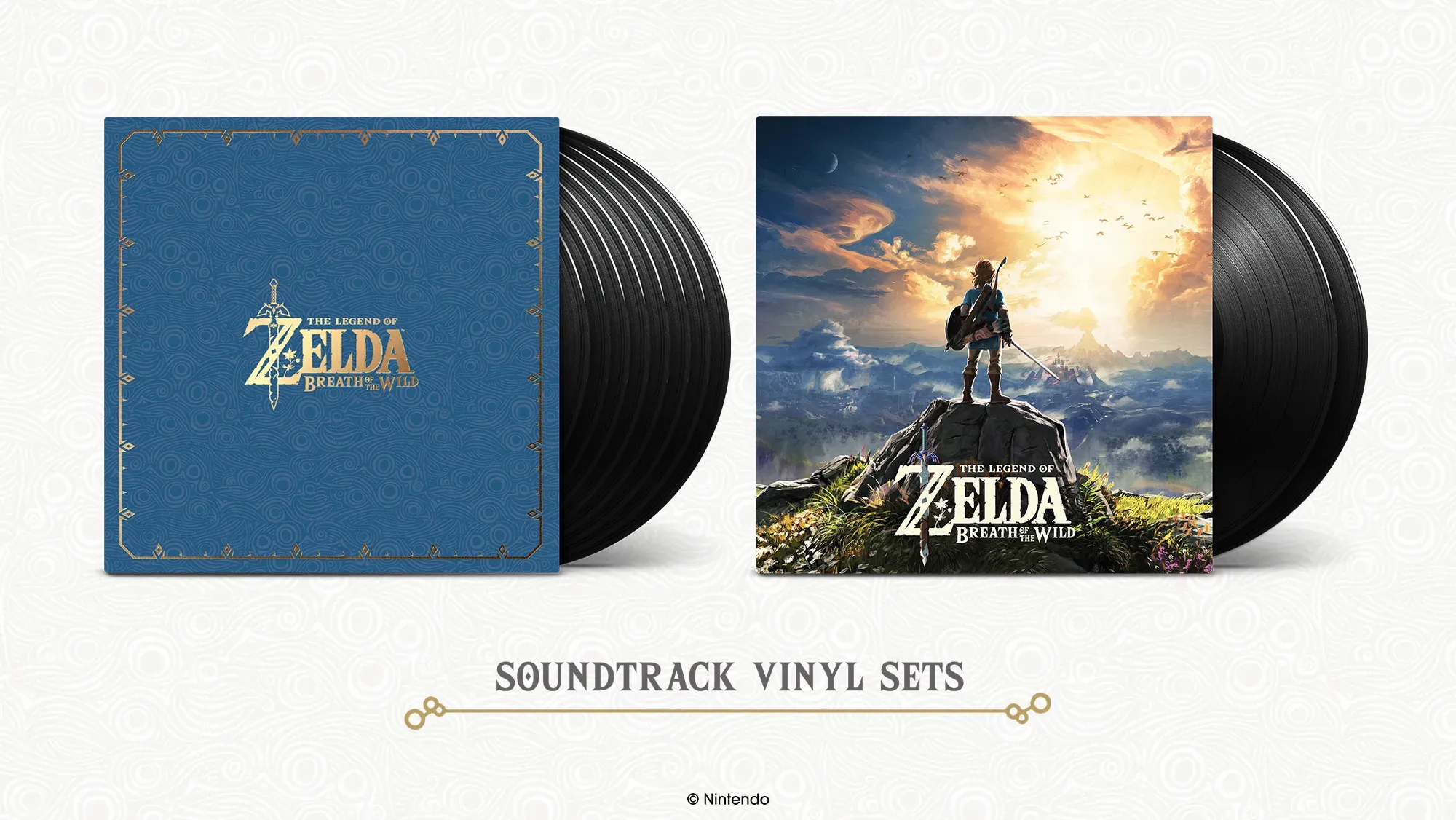
This year, Nintendo released an official vinyl soundtrack for 2017’s The Legend of Zelda: Breath of the Wild. Tying back to rising development costs, I believe we’ll start seeing companies look for more ways to maximize the return on every piece of work that goes into making a video game, and I expect music to be at the forefront.
I’ve long held that video game music is criminally underappreciated by the wider music industry. Original soundtracks rarely get a real physical release, or even much fanfare around a digital streaming one. I think that changes, and quickly. Game music will take a far more prominent role in marketing, get more widely available physical releases in a variety of formats (CD, vinyl, hell, even cassette), and be presented as a premium tie-in to a game’s launch. Bootleg rips of new game soundtracks rack up millions upon millions of views on YouTube and other platforms within days of release. Companies see that, and as they start looking for ways to maximize the reutrn on their game's expensive development without sinking heavy additional resources into new avenues, I expect them to start looking to claw some of those bootleg uploads back for their own accounts.
The prediction: More day-and-date OST physical releases alongside the game's release, more video uploads to YouTube in a variety of formats on official accounts - yes, that means I see "Resident Evil Veronica Ambient Mix - Music To Code/Study" as a distinct possibility.
4. Games Go Netflix
Did you know there’s an entire semi-grey-area underworld of video games presented as “movies” on YouTube, with popular titles racking up millions of views, sometimes even before the game’s release?
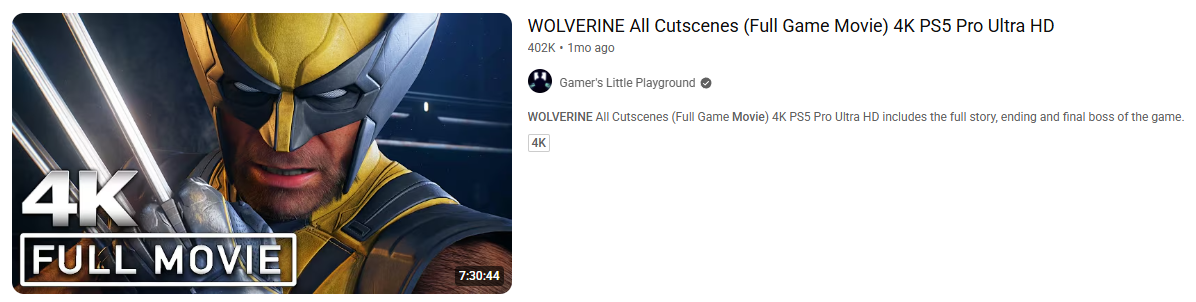
Take Insomniac’s Marvel’s Wolverine. A YouTube upload titled “Marvel’s Wolverine - Full Game Movie (All Cutscenes)” passed half a million views within a week of the game’s launch, with one catch: it went public on September 14th, a day before the game came out. 007 First Light, another popular 2026 release, also had a “Game Movie” version of its story uploaded a day early, and that single video now sits at more than 4.5 million views. Search literally any semi-popular game and you’ll find the same story: YouTube channels racing to upload “Game Movie” versions within hours of launch, pulling in hundreds of thousands of views.
Much like “Official Lyric Videos” became a thing in the music industry because YouTube accounts were racing to post their own versions of every popular new song, I expect publishers to start producing official “Game Movies” of their games. After all, they’re already pouring money into production at a level that rivals or exceeds major films.
I can even see a version of this where something like Marvel’s Wolverine: Game Movie Version, with professionally edited gameplay and additional cutscene content to smooth the seams between the game and the movie, makes its way to an official streaming service. Disney loves having content for Disney+, after all. And realistically, what’s really the difference between an animated Wolverine movie and a professionally edited cut of a video game’s cutscenes?