
Splatoon Raiders Review
Most people associate Splatoon with its competitive multiplayer offerings, but I’ve always been more drawn to the franchise’s single player campaigns. Each game has had at least one, with Splatoon 2 and 3 even offering more via expansions. It’s shocking just how fun these solo experiences are, showcasing the kind of creativity that often makes Nintendo feel special.
Now with Splatoon Raiders, we have an entry in the series that focuses on solo play. Yes, it does support co-op, but this is mostly all about a single-player adventure. I’m all for a slimmer, more focused Splatoon entry. And while Raiders feels great to play, it doesn’t capture that same creative majesty as some of Splatoon’s best solo campaigns.
The game has you playing as an engineer stuck on a chain of mysterious islands with Deep Cut, the band first featured in Splatoon 3. You’re tasked with getting loot and materials, which means going out on raids.
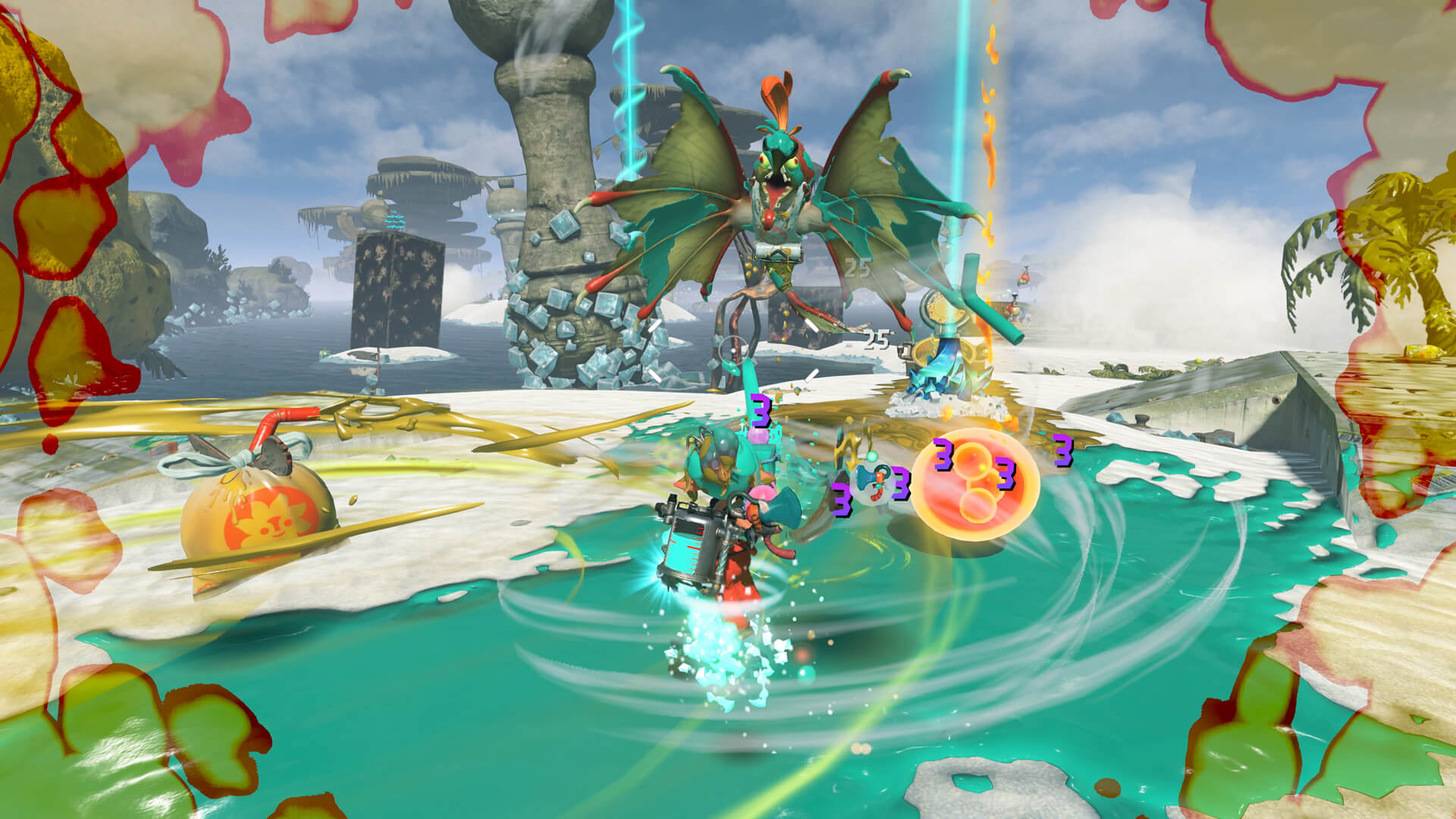
Essentially, a raid is just a level. They come in a few types. Some are pretty simple, with you navigating a linear level, killing all the salmonids along the way until you reach the end and dig up some treasure. Other levels center around a timed challenge, where you have to defeat enemies and collect enough power eggs from them before the timer runs out.
When I saw trailers for this game, I wondered if it was going to play like some kind of extraction shooter or roguelike. It turns out that Raiders is much more straightforward. You complete these levels, and while you’re doing that you’ll collect all sorts of items to help make you stronger. You’ll find stronger weapons, upgrade materials to help you craft and empower gadgets, find trinkets to increase your own powers, and level up while earning points that you can spend to increase your health and attack power.
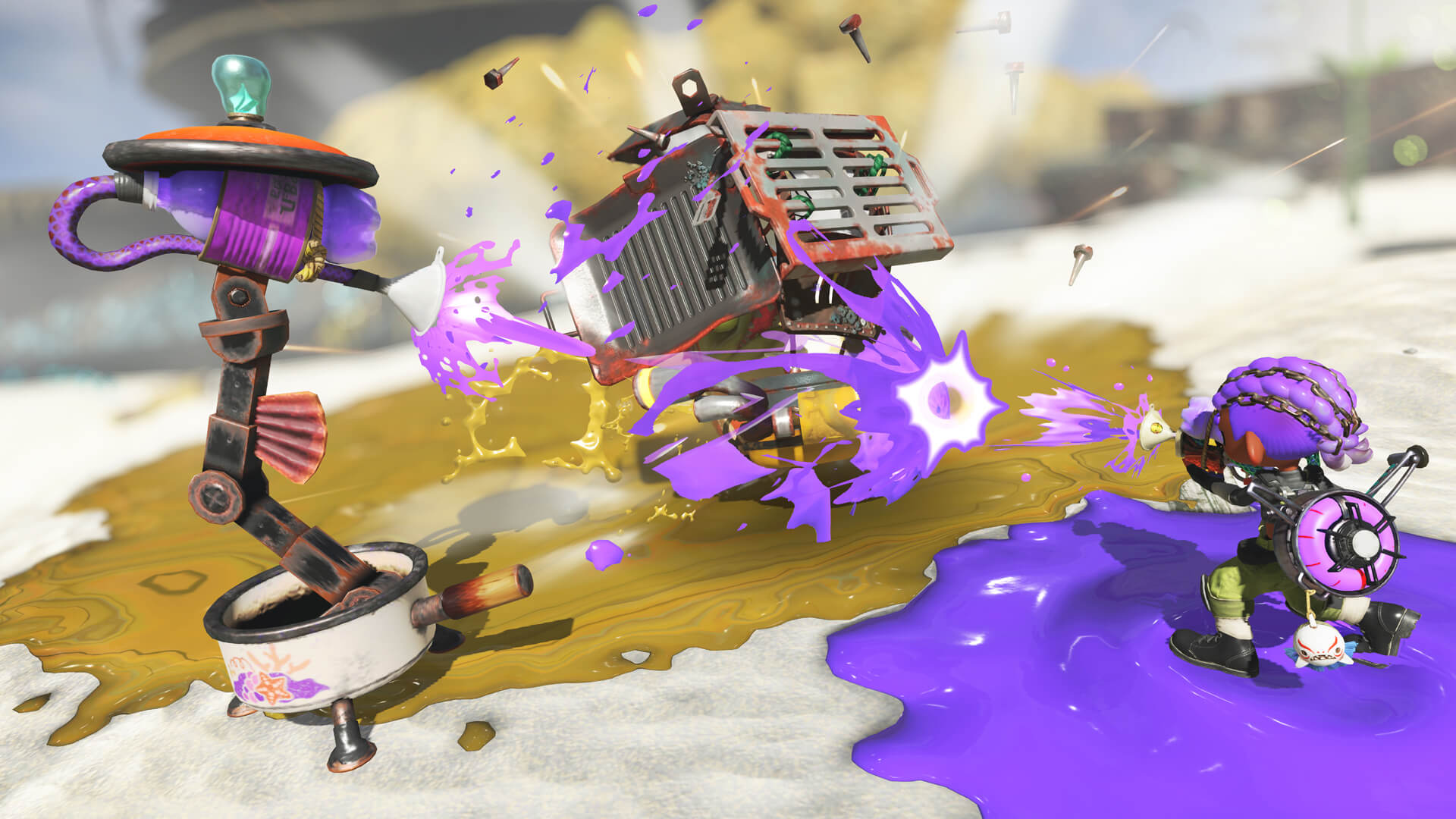
It’s a lot of progression systems, but they’re all relatively simple. Don’t think of this as something like a Monster Hunter, where you’re going out on specific missions because you’re searching for specific materials. By simply playing the game by going from one mission to the next, I got more than enough of the upgrades I needed to feel strong.
And Splatoon Raiders does a good job of making you feel strong. At first, you have access to just basic Splatoon weaponry. You can shoot colored ink out of a gun that can hurt enemies and splat the world, and you can dive into that goo to escape danger. By the end of the campaign, I felt like a gunk-gushing monster. I was laying down turrets, smashing my fists into the ground to create massive shockwaves, and just generally raining down a hellfire of ooze onto my enemies.
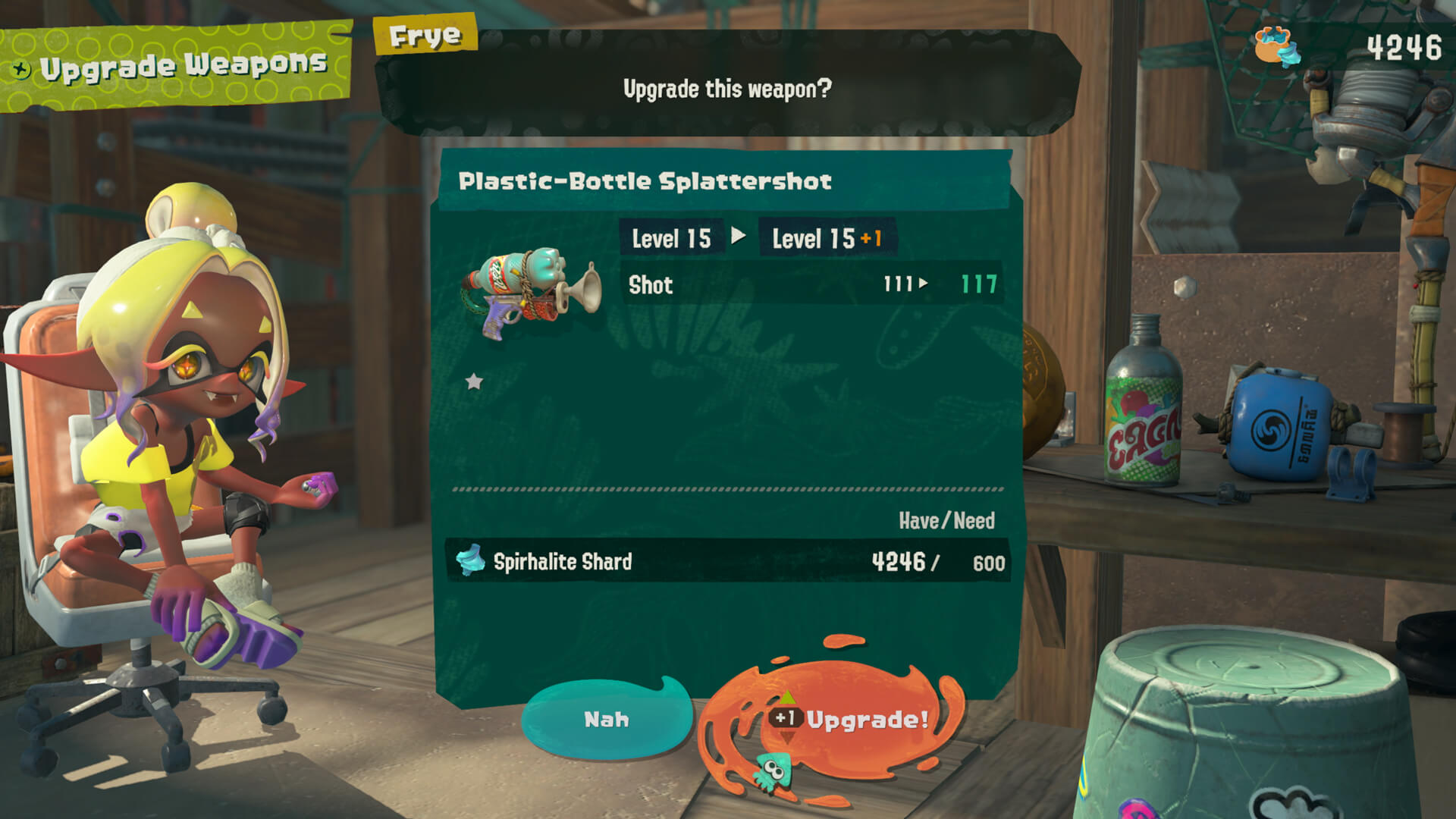
That’s the most important positive thing I can say about Splatoon Raiders. It’s a game about offense that makes sure it feels good to stay on the offensive.
I mentioned co-op before, and it is also nice to tackle these missions with a friend. You can also go help strangers seeking assistance, which is another nice way to get your character some materials and upgrades. Even when you’re playing solo, a member of Deep Cut will join you in a splat-shooting tank. Aside from their firepower, you can also jump off of their tank for a nice bit of verticality, which is often important for survival or attacking specific enemies in elevated weak spots. Each member of Deep Cut also has their own super move that unlocks after collecting enough power eggs, and these can deal a ton of damage to multiple enemies at once.
So alone or with friends, there are plenty of ways to wreak havoc. But I do think that something is lost in the Splatoon magic by focusing so hard on just combat and progression systems. In previous campaigns, stages would often present puzzles or platforming challenges. They used Splatoon’s core mechanics as a canvas for some of the best Nintendo level design this side of Super Mario Galaxy 2.
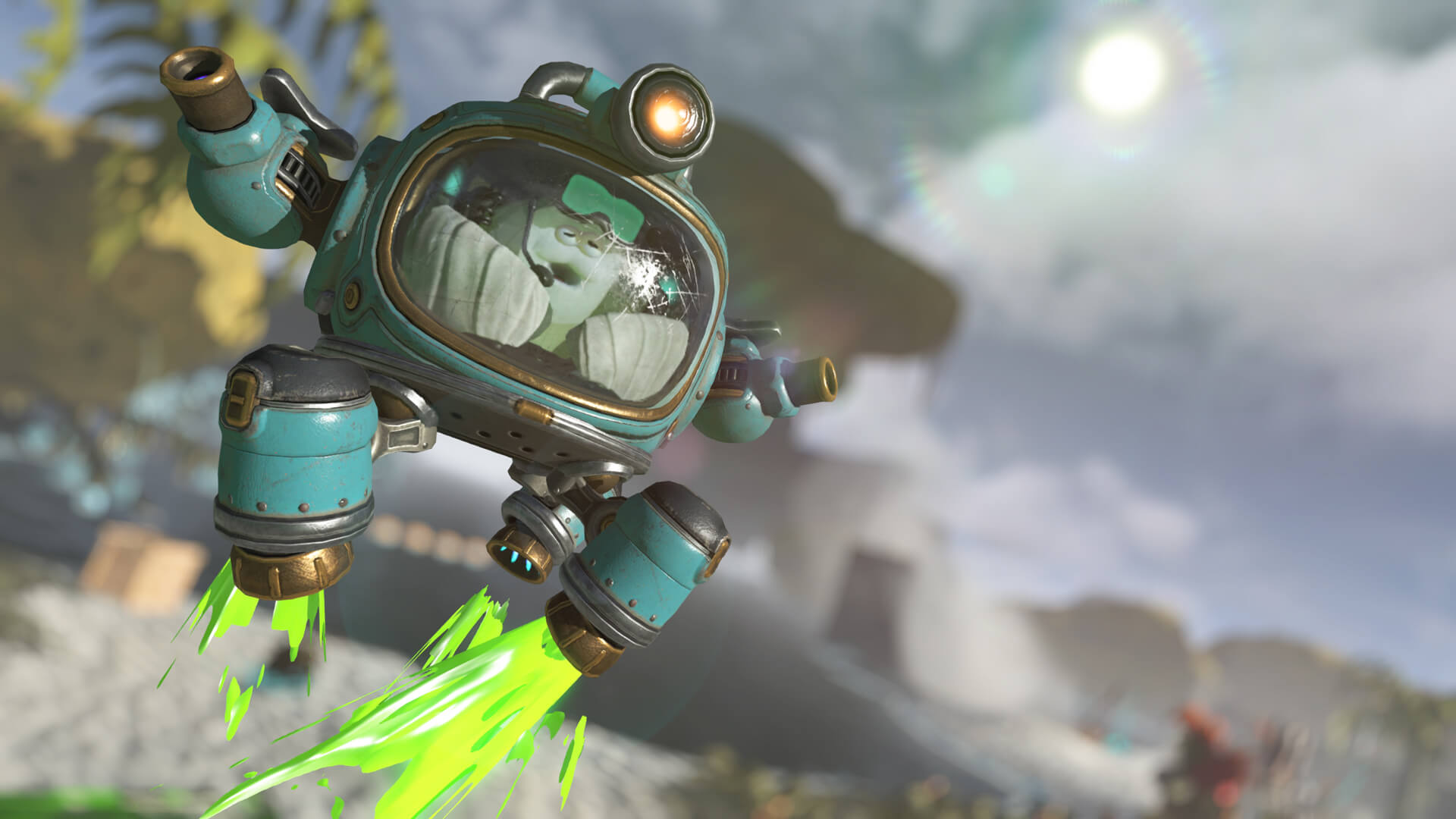
In Splatoon Raiders, level design barely matters. You’re always just sort of running around and fighting. There are some raids that focus more on fun gimmicks, restricting you to using a single weapon or gadget. But these are short and don’t have enough presence to get truly inventive.
Boss fights also feel like a step down from previous Splatoon games. Before, they had an almost Zelda-like quality, where it’s not just about blindly shooting a boss but figuring out how to damage it in the first place. In Raiders, most bosses are damage sponges that just require an onslaught of offense.
Satisfaction does come from character progression, but all of the powerups and new weapons and gadgets don’t always change the way the game feels that much. After I finished the campaign, I went back to an earlier level with a friend to try out some co-op. I was kind of shocked by how similar it felt to the late game raids I had just finished. It was just, you know, easier.
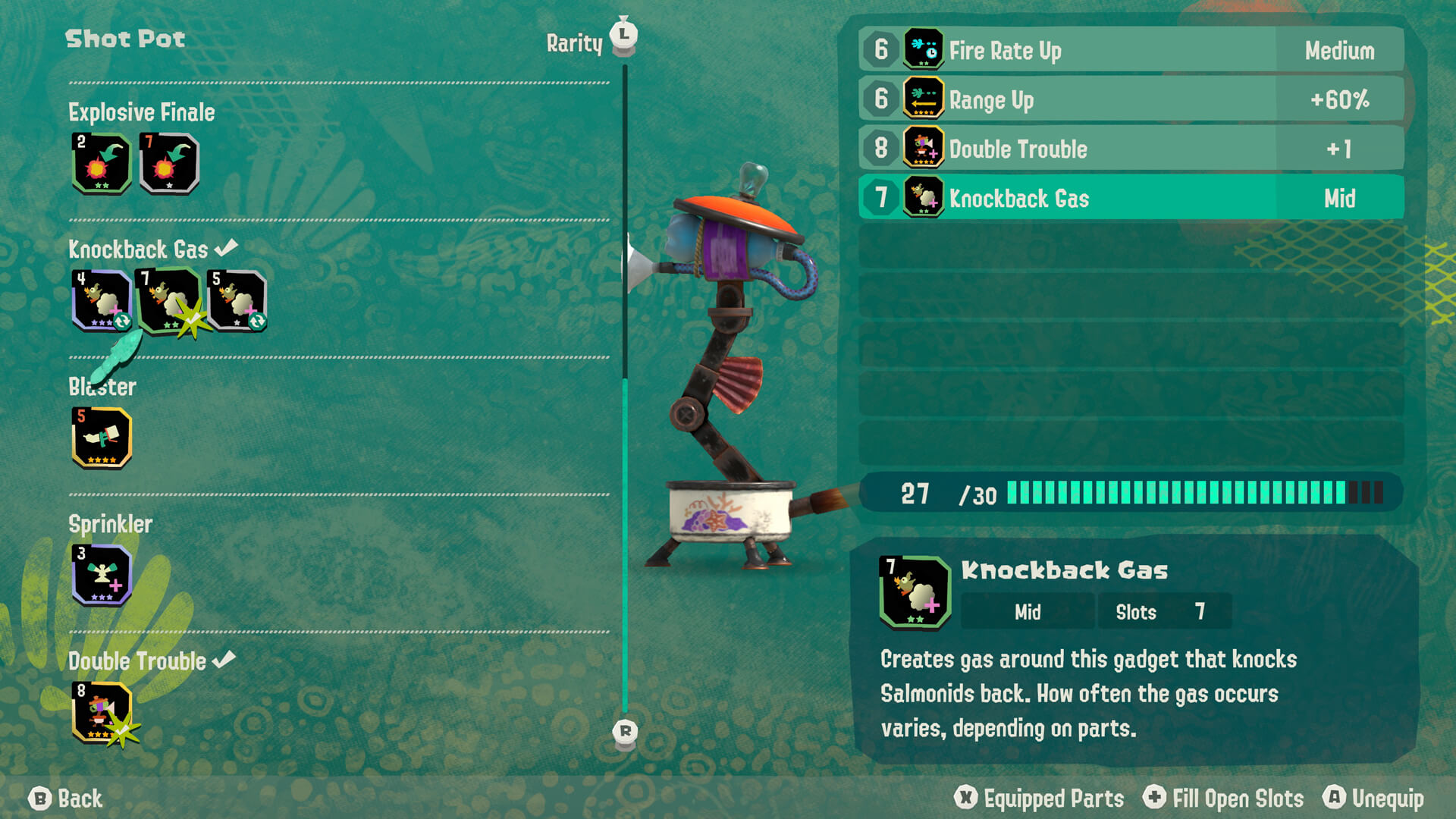
After rolling credits, Raiders made it clear that there is still a good amount of post-game content to check out. I do commend the game for offering so much more to do after beating the campaign, especially since it was already a meaty experience.
I just don’t feel much of a drive to play more of Splatoon Raiders. I had fun drowning all of those salmonids in ink. But just like them, I’ve had my fill.
Giant Bomb traditionally scores reviews on a 5-star scale, but with no half-star ratings. Starting in 2025, we've added half-star ratings to our reviews. We feel this is a more accurate representation of the review score and the reviewer's opinion.