
alianger
Member since Dec 6, 2025
Recent Reviews
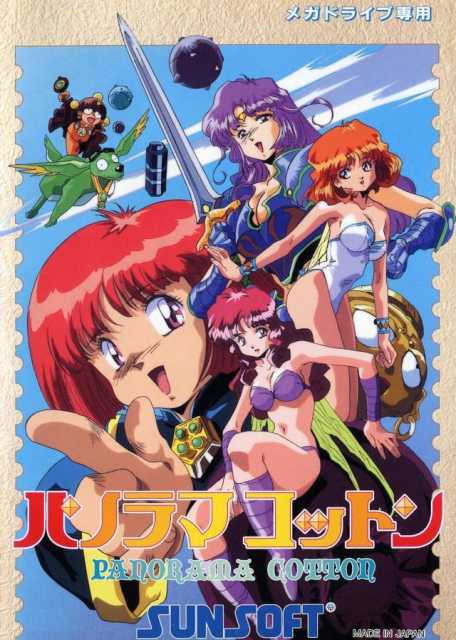
All reviewsPanorama Cotton1994
5 out of 5 starsIt's pretty odd that this game even exists for the stock MD. Success, a game company that never made anything for the console prior to this (though I think some devs come from Compile), decides to turn Cotton into a Space Harrier-like shooter, make it one of the most technically impressive efforts for the system, then release a limited amount of copies exclusively for the Japanese market as late as mid-1994. Well…
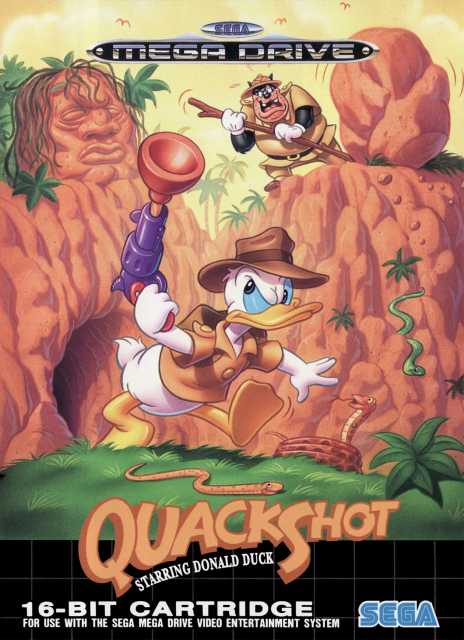
QuackShot: Starring Donald Duck1991
4 out of 5 starsSega really did a geat job with these Disney licenses at the time. Not only do they look great, but gameplay is usually on par with if not better than Capcom's work from around the same time and a couple of years earlier (when Disney shows were arguably reaching their peak). Similar to DuckTales 2 and Land of Illusion this is a MV-lite game with a hub map, where you travel the world and gain tools and weapons used…
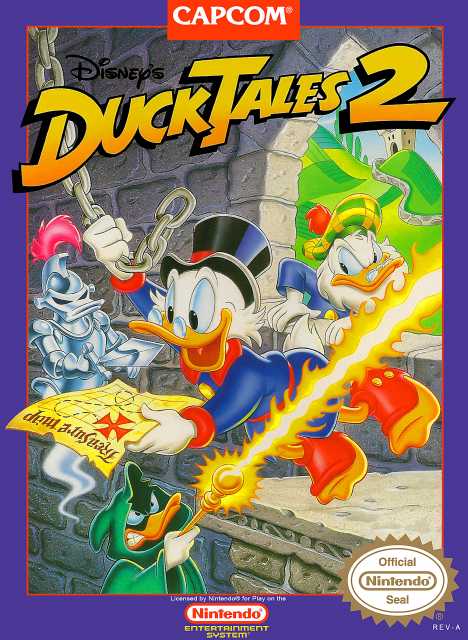
DuckTales 21993
4 out of 5 starsThis MV-lite style sequel is better in every way besides the music, which still is pretty solid. Expect better controls, fun abilities and good progression curve, interesting levels that reward exploration and decent bosses. There's also an alternate final level and ending if you collect all the hidden map pieces, and some differences on GB making both vesions worth checking out. If I have to complain about…
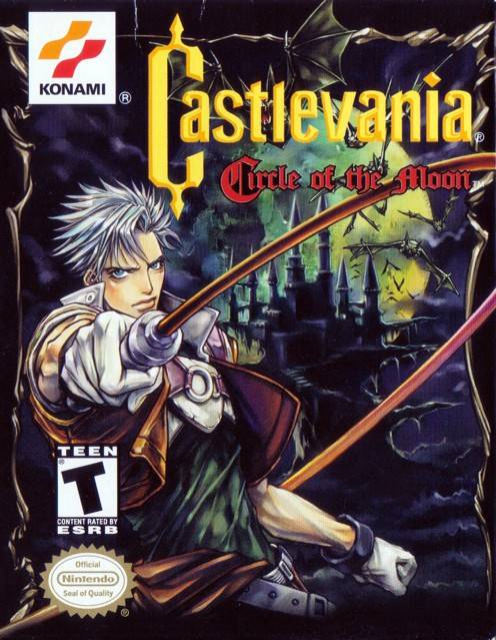
Castlevania: Circle of the Moon2001
4 out of 5 starsI liked the direction the series was going here; collecting made rewarding via detour challenges, decent sequence breaking opportunities, travel made easy by running and jumping over regular enemies, a changing world with new enemies appearing when revisiting previous areas, fewer near useless skills and items, and an interesting if flawed card system were all good additions to the SOTN formula. This game also has…
Lists
All lists






Articles
All articlesUnusual Applications of Music and Sound in Retro Games: Part 2 - 3rd Gen Era Computers and Arcades
Nov 20, 2025
Welcome back! In Part 1, we explored how developers pushed early-mid ‘80s console and computer hardware beyond its limits. Now we're moving into the mid-to-late '80s era of personal computers and arcades, when sound chips became more sophisticated and composers found even more creative ways to squeeze every last bit of quality from their hardware. This period saw the rise of 4-op FM synthesis,...
Unusual Applications of Music and Sound in Retro Games: Part 1 - Early-Mid ‘80s Consoles & Computers
Nov 18, 2025
(Note that I'm assuming you've read the previous parts on the early evolution of game audio.) In the previous parts of this series, we explored the early evolution of sound and music in video games. Now it’s time for something a bit more specific: the unusual and innovative ways developers either pushed their hardware beyond its intended limits, or used it in an otherwise inventive way, affecti...
The Early Evolution of Sound and Music in Video Games: 1990
Jul 3, 2025
Note that this is a shorter, chronological version covering one year at a time (1985-1991). See my website for the complete essay spanning 60+ pages and covering each sound chip in detail. 1990's developers built upon lessons learned in previous years, but with even greater confidence and technical polish, exploring a gaming landscape more sonically diverse than ever before. FM synth, now well...
The Early Evolution of Sound and Music in Video Games: 1989
Jun 27, 2025
Note that this is a shorter, chronological version covering one year at a time (1985-1991). See my website for the complete essay spanning 60+ pages and covering each sound chip in detail. 1989 saw game music and sound pivoting a bit further towards being either fully or partially sample-based, and various 4-op FM synth works inching closer to reaching the technology's full potential. Older pla...
The Early Evolution of Sound and Music in Video Games: 1988
Jun 23, 2025
Note that this is a shorter, chronological version covering one year at a time (1985-1991). See my website for the complete essay spanning 60+ pages and covering each sound chip in detail. By 1988, game music had entered a phase of intense stylistic diversification, aided by increasingly flexible and diverse hardware. While some platforms were being pushed to their limits - like the NES through...
Wiki Contributions
View all contributionsLoading...